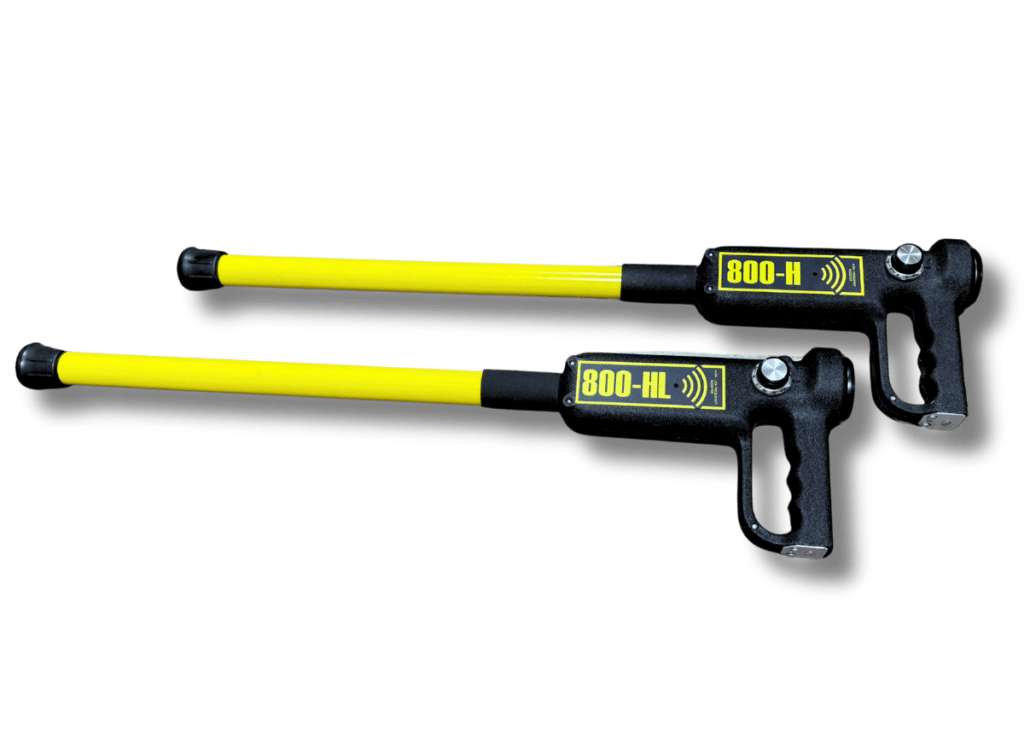
Pipehorn 800-H vs 800-HL
Utility Locator Comparison
The Pipehorn 800-H and 800-HL utility locators are designed for broken tracer wire, difficult locates, and changing field conditions. Compare high frequency and dual frequency utility locating for real-world field applications.
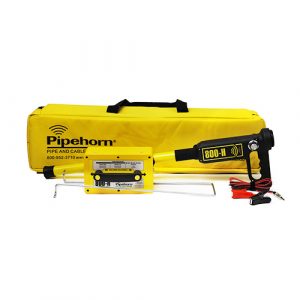
Pipehorn 800-H
High Frequency Locator
–
Best for:
- Broken or damaged tracer wire
- Short services & difficult-to-locate conductors
- Safety Sweep verification
- Crews that can never make a direct connection or already have a low frequency locator
Bottom line:
High-frequency locating built for difficult field conditions.
$1,560
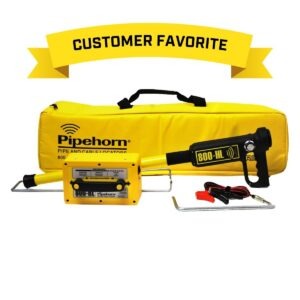
Pipehorn 800-HL
Dual Frequency Locator
MOST VERSATILE
Best for:
- Broken or damaged tracer wire
- Short services & difficult-to-locate conductors
- Safety Sweep verification
- Longer distance locates
- Congested utility areas
- Crews working across mixed utility systems & a variety of locating conditions
Bottom line:
High and low-frequency flexibility for a wider range of locating conditions & industry best troubleshooting locator.
$1,860
Compare Pipehorn Utility Locators Side by Side
Both the Pipehorn 800-H and Pipehorn 800-HL are designed for difficult utility locating conditions, including broken tracer wire, short services, and Safety Sweep verification.
Use the comparison chart below to see which locator best fits your locating conditions, tracing distances, and field flexibility needs.
Feature / Application
Pipehorn 800-H
Pipehorn 800-HL
480 kHz High Frequency
9 kHz Low Frequency
Inductive Locating
Conductive/Direct Connect Locating
Long-Distance Tracing
LIMITED
Locating in Congested Utility Areas
LIMITED
Frequency Switching in the Field
Broken/Damaged Tracer Wire Locating
Safety Sweep Capability
Adapts to Changing Field Conditions
LIMITED
Audio + Visual Feedback
No Annual Calibration Required
3-Year Warranty
Still Not Sure Which Locator Fits Your Crew?
Which Utility Locator Is Right for Your Crew?
Choose the Pipehorn 800-H if:
- Your crews primarily use high frequency locating
- You regularly deal with broken or damaged tracer wire
- Most locating involves short services or difficult conditions
- You already have low-frequency locating capabilities covered
- You want a simple, dedicated high-frequency locator
Choose the Pipehorn 800-HL if:
- Your locating conditions change from job to job
- You work in congested utility areas
- You need long-distance tracing capability
- Your crews benefit from switching between high and low frequency in the field
- You want the most versatile locating option for changing field conditions
Get More with the Pipehorn 800-HL
Already know the 800-HL is right for your crew? Build out your locating capability with a Pipehorn ProPack.
Pipehorn ProPack
Pipehorn 800-HL + Maghorn
CORE PACKAGE
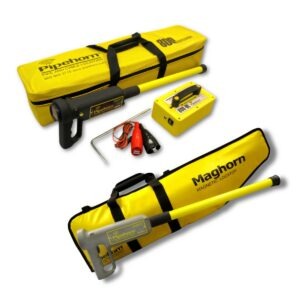
TRACE + PINPOINT
Trace underground pipes, cables and tracer wire with the dual-frequency Pipehorn 800-HL, then pinpoint buried valves, boxes, covers and other ferrous targets with the Maghorn.
Includes:
$2,920
Pipehorn ProPack+
Pipehorn 800-HL + Maghorn
+ 5” Signal Clamp
MOST FLEXIBILITY
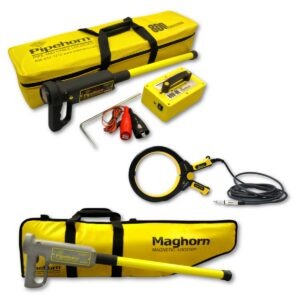
TRACE + PINPOINT + MORE WAYS TO APPLY SIGNAL
Get everything in the ProPack plus the 5” Signal Clamp, giving crews another way to apply the Pipehorn 800-HL transmitter signal when direct connection isn’t practical.
Includes:
$3,505
Both Locators Built for Real-World Utility Locating
Reliable field-ready features designed for everyday locating conditions.
Audio + Visual Feedback
Pitched audible tone and meter feedback that crews can quickly follow in the field.
Rugged Locator
Built for demanding field conditions, difficult locates, and everyday utility locating work.
No Annual Calibration
Ready when you are—no yearly calibration downtime or recurring calibration costs.
Assembled in USA
Assembled and supported in the USA with responsive service and repairs.
Frequently Asked Questions
What is the difference between the Pipehorn 800-H and Pipehorn 800-HL?
The Pipehorn 800-H is a dedicated high-frequency utility locator designed for difficult locates, broken tracer wire, short services, and Safety Sweep verification. The Pipehorn 800-HL includes 480 kHz high frequency and adds 9 kHz low frequency locating, giving crews more flexibility for long-distance tracing, congested utility areas, and changing field conditions.
When should I use high frequency utility locating?
High frequency locating is commonly used when crews cannot directly hook up to the conductor or are dealing with broken tracer wire, poor conductors, short service lines, or difficult locating conditions where the signal may struggle to travel. The Pipehorn 800-H and 800-HL both use 480 kHz high frequency locating to help trace utilities in challenging field environments. They also can be used to verify marks and find unmarked utilities during a Pipehorn Safety Sweep.
When should I use low frequency utility locating?
Low frequency is often used for long-distance tracing and improved utility isolation in congested underground utility areas. The Pipehorn 800-HL includes 9 kHz low frequency locating to help crews follow continuous conductors over longer distances and better isolate individual utility lines.
Which Pipehorn locator is best for broken tracer wire?
Both the Pipehorn 800-H and Pipehorn 800-HL are designed to help crews locate utilities with broken, corroded, or damaged tracer wire using 480 kHz high frequency locating. High frequency signals can often continue tracing where lower frequencies begin to drop off.
Which utility locator is better for congested utility areas?
The Pipehorn 800-HL can help crews better isolate conductors in congested utility areas by using 9 kHz low frequency locating.
Do Pipehorn locators support conductive or direct connect locating?
Yes. Both the Pipehorn 800-H and 800-HL support conductive (direct connect) locating. Connecting the transmitter directly to a conductive utility or tracer wire applies signal to the target line for a more isolated locate. The 800-H operates at 480 kHz, while the 800-HL gives you the option of using either 9 kHz or 480 kHz depending on the locating conditions.
Do Pipehorn locators support inductive locating?
Yes. Both the Pipehorn 800-H and 800-HL support inductive locating, allowing you to apply signal to a buried conductor without making a direct connection. Simply position the transmitter in line with the suspected path of the utility and trace the induced signal with the receiver. The 800-H uses 480 kHz, while the 800-HL provides both 9 kHz and 480 kHz for greater flexibility in different locating conditions.
Which Pipehorn locator is best for long-distance tracing?
Because the Pipehorn 800-HL utilizes a 9 kHz low frequency, it can stay better isolated on the conductor and travel further along the target.
What is a Safety Sweep?
A Safety Sweep is a high-frequency locating method crews use to quickly sweep an area for unknown, mismarked, or undocumented underground utilities before excavation. The Pipehorn Safety Sweep is also a great way to get started on the line. Both the Pipehorn 800-H and 800-HL support Safety Sweep verification using 480 kHz high frequency locating.
Does the Pipehorn 800-H or 800-HL locators require annual calibration?
No. The Pipehorn 800 Series utility locators do not require annual calibration, helping reduce downtime and recurring calibration costs for utility locating crews.
Which Pipehorn locator is best for changing field conditions?
The Pipehorn 800-HL is designed for crews working across changing locating conditions because it allows users to switch between 480 kHz high frequency and 9 kHz low frequency locating in the field.
Are Pipehorn locators assembled in the USA?
Yes. Pipehorn locators are assembled in the USA and supported and repaired by the Pipehorn team in Birmingham, Alabama.
Still Comparing Utility Locators?
Need help choosing between the Pipehorn 800-H and 800-HL? Contact the Pipehorn team or explore both locator systems.