Telecom & Fiber Optic Locating for Difficult Locates
Telecom and fiber optic locating equipment for congested utility areas, directional drilling, and underground cable locating.
Who This Is For

Fiber Crews

Telecom Contractors

Directional Drilling Crews

Broadband Installers
Telecom crews locating and verifying underground fiber, cable TV, telephone, and broadband infrastructure.
Telecom crews often work in congested utility areas where underground fiber optic lines, cable TV, telephone lines, broadband infrastructure, and other underground utilities run close together.
During telecom locating and fiber optic locating, it can be difficult to verify you are following the correct line—especially when multiple parallel lines, handholes, pedestals, and service drops occupy the same corridor.
Before directional boring, horizontal directional drilling (HDD), or excavation begins, crews need confidence they have identified the correct facility and verified existing utility marks. Pipehorn helps telecom contractors and directional drilling crews locate underground fiber, verify marks, and reduce the risk of utility strikes in crowded utility corridors.
Common Problems Telecom Crews Face
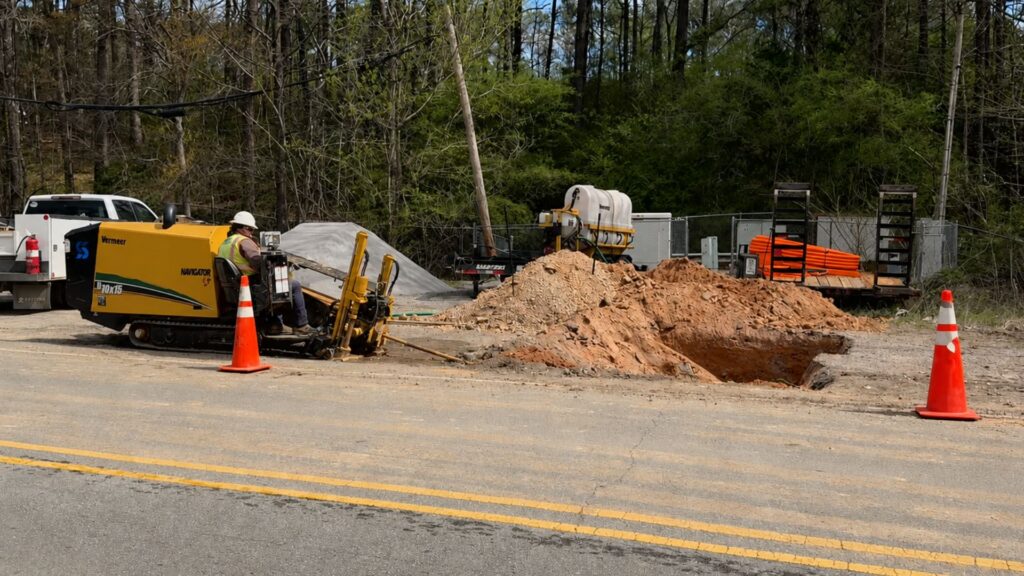
Telecom crews are under pressure to get the locate right before directional boring, excavation, and fiber installation. Whether verifying marks, tracing underground fiber optic lines, or avoiding utility strikes, they need equipment that helps them locate with confidence.
Locating Fiber Optic & Telecom Lines in Congested Areas
Underground fiber optic lines often share space with gas, water, electric, cable TV, telephone, and broadband infrastructure. When multiple utilities occupy the same area, it can be difficult to verify which facility you are following.
Multiple Parallel Fiber & Utility Lines
Multiple telecom, fiber optic, and utility lines often run parallel to each other. In crowded utility areas, crews need confidence they are tracing the correct line before drilling or excavation begins.
Locating Handholes, Pedestals & Drops
Crews often need to trace from a handhole, pedestal, or service drop to verify the correct route before directional drilling or excavation.
Short Fiber & Telecom Service Lines
Fiber drops and telecom service lines can be short, difficult to follow, and easy to lose—especially near homes, businesses, and broadband service connections.
Verifying Utility Marks Before Directional Boring or Excavation
Before directional boring or excavation begins, crews often want a second layer of confidence that all underground utilities have been identified correctly to prevent damage and costly utility strikes.
How Pipehorn Helps
The Pipehorn 800-HL is designed for difficult telecom and fiber optic locating situations crews face every day. With both 9 kHz and 480 kHz frequencies, it helps crews verify utility marks, trace fiber and telecom lines, and locate underground utilities before directional drilling or excavation.
Here’s how Pipehorn helps crews handle the most common telecom locating problems in the field:
Multiple Parallel Utility & Telecom Lines
Pipehorn helps telecom crews verify which line they are following in congested utility areas by changing frequencies and checking how the signal responds in the field.
Congested Right-of-Ways
Multiple utilities often occupy the same corridor, increasing the potential for signal bleed-over. Pipehorn’s dual frequencies help crews distinguish between nearby utilities and verify the correct telecom route.
Short Telecom Drops & Service Lines
Pipehorn’s 480 kHz high frequency makes it easier to trace short, difficult-to-follow telecom service lines and fiber drops.
Difficult Locates from Handholes & Pedestals
The Signal Clamp gives crews a quick way to apply a signal from a pedestal, handhole, or accessible cable without disconnecting it.
Verifying Utility Marks Before Directional Drilling
Many telecom crews use Pipehorn for a quick Safety Sweep before boring or excavation to help identify missed utilities or questionable marks.
Pipehorn helps telecom contractors, fiber crews, and directional drilling crews verify utility marks, locate underground fiber optic lines, and reduce the risk of utility strikes.
Verify Marks Before Directional Boring
Telecom crews often work in crowded utility corridors where fiber optic lines, cable TV, telephone lines, broadband, gas, water, and electric utilities run close together. Before directional boring or excavation begins, crews need confidence they are following the correct line and that existing utility marks are accurate.
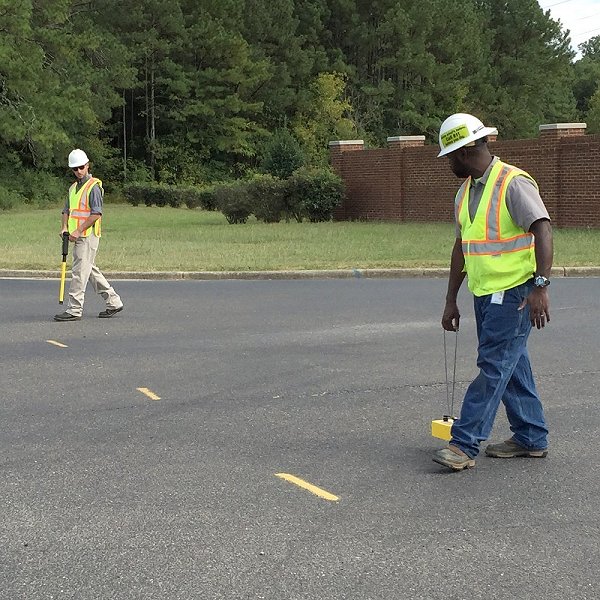
Many crews perform a Safety Sweep before drilling to help identify nearby utilities, verify existing marks, and reduce the risk of striking an unmarked line. Pipehorn helps crews verify the route, distinguish between nearby utilities, and troubleshoot questionable marks before boring begins.
Pipehorn is especially useful when:
- Multiple telecom & utility lines run side by side
- Marks do not match the route in the field
- A service drop is difficult to follow
- Crews are boring near other underground utilities
- Handholes, pedestals, or existing utilities make the area difficult to interpret
By switching between 9 kHz and 480 kHz, Pipehorn helps telecom crews verify marks and locate with more confidence in congested utility areas.
Built for real-world conditions—when tracer wire is damaged, signals stop short, or accuracy matters before digging.
Primary Locator
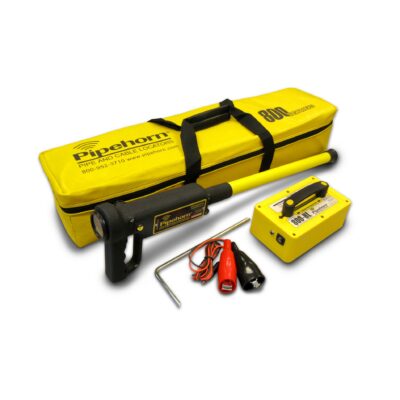
Pipehorn 800-HL Pipe & Cable Locator
$1,860
Designed for difficult locates, the Pipehorn 800-HL helps telecom crews locate fiber optic and telecom lines, verify utility marks, and perform a Safety Sweep before directional boring.
When Direct Connection Isn't Possible
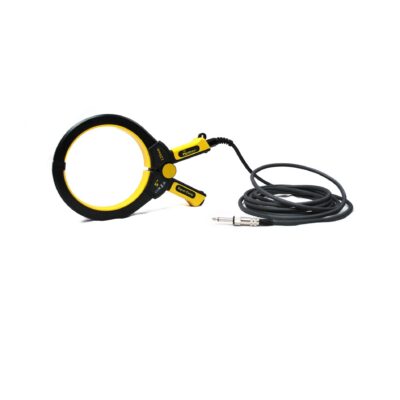
Pipehorn Signal Clamp 5″
$585
The Signal Clamp lets telecom crews apply a signal directly to a cable, pedestal, or handhole without disconnecting service or exposing conductors.
Telecom & Fiber Optic Locating Equipment for Difficult Locates
Not Sure Which Pipehorn Locator Fits Your Crew?
Compare the Pipehorn 800-H vs. 800-HL to see the differences between single-frequency and dual-frequency locating for telecom and fiber optic locating applications.
Proven in the Field: Trusted by Telecom & Fiber Crews
From fiber contractors to telephone providers, crews rely on Pipehorn for difficult locates, utility verification, and directional boring applications.
Featured Customer:
“I’ve been in the telecommunications business for 36 years and the Pipehorn is my go-to locator. When your fancy locator doesn’t locate, put it up and find it with a Pipehorn.”
PS Splicing, LLC
Telecommunications Contractor
FEATURED ARTICLE:
Why Accuracy Matters: Preventing Utility Strikes with Pipehorn Locators
Learn how verifying utility marks, reducing uncertainty, and locating with confidence helps prevent costly utility strikes before directional boring and excavation.
Telecom & Fiber Optic Locating Resources
Real-world locating tips, training, and field-proven techniques crews use to find what others can’t.
Looking for more locating tips or field training?
FAQ
Telecom crews can locate underground fiber optic lines by applying a signal to a tracer wire, cable, handhole, or pedestal and following that signal with a locator receiver. Pipehorn’s dual-frequency locating capabilities help crews verify the correct route, especially in congested utility areas where multiple utilities run side by side.
Many telecom crews use Pipehorn to perform a quick Safety Sweep after utility marks are placed. This helps verify existing marks, identify nearby utilities, and reduce the risk of utility strikes before directional boring or excavation begins.
The Pipehorn Signal Clamp allows crews to apply a signal at a handhole, pedestal, or accessible cable without disconnecting service, making it easier to trace telecom lines and verify the correct route.
Damaged tracer wire can make fiber optic locating more difficult because the signal may weaken or stop before reaching the end of the route. In these situations, telecom crews often use ultra-high frequency locating to continue tracing the line beyond poor continuity points and verify the route in the field. Pipehorn’s 480 kHz frequency helps crews locate difficult fiber routes, troubleshoot signal loss, and maintain confidence when standard locating methods fall short.
Why Telecom Crews Choose Pipehorn
Built for real-world telecom and fiber optic locating in congested utility corridors, directional boring applications, and difficult locates.
Simple to Use
Straightforward controls crews can learn quickly and use confidently in the field—no complicated setup.
Built for Difficult Locates
Damaged tracer wire, short telecom drops, and signals that stop before the route does.
No Annual Calibration
Ready when you are—no downtime or recurring calibration costs.
Verify Before Digging
Perform a Safety Sweep to verify marks and identify unmarked or mismarked utilities before directional boring or excavation.
Need Help Solving Difficult Telecom & Fiber Locates?
Pipehorn products are built for the field and designed to help telecom crews verify marks, locate underground fiber and telecom lines, and reduce the risk of utility strikes before directional drilling or excavation.