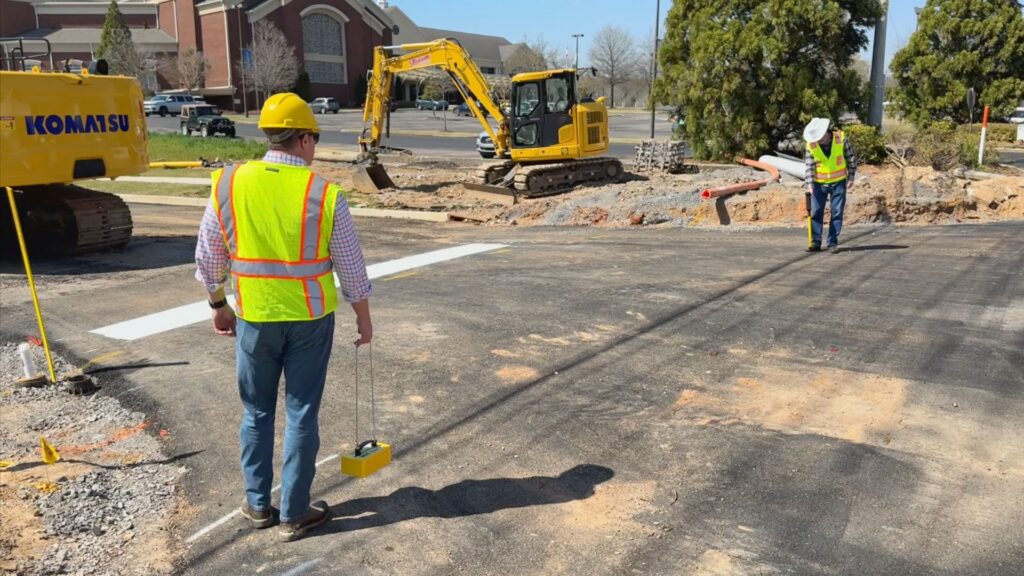
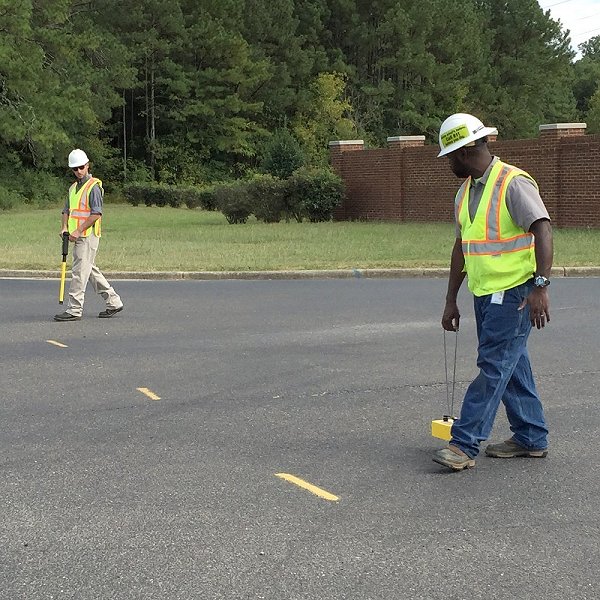
Gas crews responsible for locating, verifying, and protecting underground gas lines before excavation.
Gas crews know the importance of finding and verifying every gas line before excavation begins. When there is little room for error, crews need confidence that the marks in the field match what is actually underground.
But gas locates are not always straightforward. Plastic gas lines with damaged or corroded gas tracer wire can be difficult to locate. Short gas service lines can stop the locate before the line does. In crowded utility corridors, gas service line locating can become even more difficult.
That is why many gas crews use Pipehorn to find what others miss and perform a Safety Sweep before digging. Pipehorn helps crews verify marks, troubleshoot difficult locates, and add another layer of confidence before excavation begins.
Common Problems Gas Crews Face
Gas crews are under pressure to get the locate right the first time. Whether verifying marks before excavation, troubleshooting difficult locates, or preventing a strike, they need equipment that helps them locate with confidence.
Reducing Strikes & Damage Prevention
Gas line strikes can be dangerous and expensive. Before digging begins, many crews want a second layer of confidence that all gas lines have been located and marked correctly.
Short Gas Services
Short gas services can be difficult to trace with standard locating equipment. The line may disappear quickly, especially in residential areas or near the meter.
Broken or Corroded Tracer Wire
Plastic gas lines often become difficult to trace when tracer wire is damaged, corroded, or broken. The signal may stop before the line does.
Crowded Utility Corridors
Gas lines are often located near water, telecom, and electric. In congested areas, it can be difficult to know whether you are following the correct line.
Verifying Marks Before Excavation
Even after 811 marks are complete, crews may still need to verify before excavation begins—especially when marks do not seem to match the field conditions.
How Pipehorn Helps
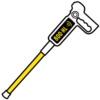
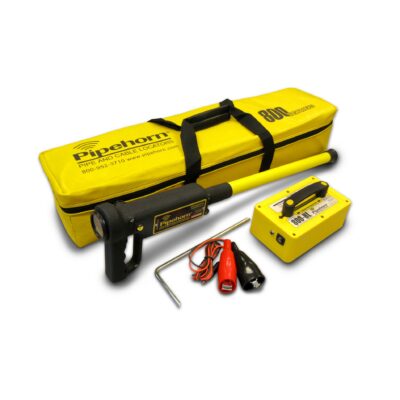
The Pipehorn 800-HL is designed for difficult gas utility locating situations crews face every day. With both 9 kHz and 480 kHz frequencies, it helps crews locate damaged tracer wire, trace short gas services, and verify underground utilities before excavation.
Here’s how Pipehorn helps crews handle the most common gas utility locating problems in the field:
Damaged or Broken Tracer Wire
Pipehorn’s 480 kHz high frequency helps gas crews continue locating where lower frequencies may stop.
Short Gas Services
High frequency makes it easier to trace short, difficult-to-locate services.
Crowded Underground Utility Corridors
Pipehorn helps gas crews double check the route when gas lines run near water, telecom, and electric utilities.
Many gas crews use Pipehorn for a quick Safety Sweep before excavation.
Pipehorn is used by gas utilities, contractors, and locating crews to improve accuracy, verify marks, and reduce the risk of underground utility strikes.
Add a Safety Sweep Before Digging
Gas crews know there is little room for error. Even after 811 marks are complete, crews often want another layer of confidence before excavation begins.
Using Pipehorn, crews can quickly sweep the dig area to verify marks and identify gas lines that may have been missed.
Crews perform a Safety Sweep to:
Verify marks before excavation
Continue tracing when tracer wire stops short
Follow short gas services near the meter
Work around water, telecom, and electric in the same area
Add another layer of confidence before digging
Especially when direct connection isn’t possible. With both 9 kHz and 480 kHz frequencies, Pipehorn helps crews adapt in the field and perform a Safety Sweep when accuracy matters most.
Built for real-world conditions—when tracer wire is damaged, signals stop short, or accuracy matters before digging.
Primary Locator
Pipehorn 800-HL Pipe & Cable Locator
$1,860
Designed for gas utility locating, the Pipehorn 800-HL helps crews trace broken tracer wire, short services, and difficult-to-follow gas lines.
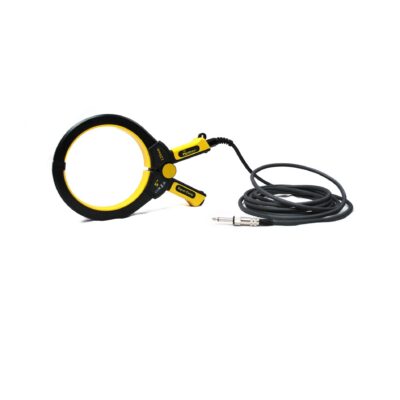
The Signal Clamp applies a signal to your target conductor without direct connection—ideal for gas utility locating in congested or hard-to-access areas.
Proven in the Field: Reducing Utility Damages Before Digging
Using a Safety Sweep with ultra-high frequency helped Peoples Gas & North Shore Gas crews identify missed utilities before excavation.
67%
fewer damages by in-house crews
77%
fewer damages from missed or unmarked utilities
In a 2022 case study, the Common Ground Alliance (CGA) highlighted how Peoples Gas used the Pipehorn Safety Sweep to help identify unmarked and difficult-to-locate utilities before excavation.
This is a proven approach crews can easily adopt without running their own test—Peoples Gas has already shown how a Safety Sweep reduces damages before digging.
How do you locate a gas line with broken tracer wire?
Gas lines with damaged or corroded tracer wire can be difficult to trace. Pipehorn’s 480 kHz high frequency helps crews continue locating when the signal on other locators stops before the line does.
What is a Safety Sweep?
A Safety Sweep is a quick sweep of the dig area after 811 marks are complete. Many gas crews use Pipehorn to help identify missed gas lines or marks that do not match the route in the field.
What frequency works best for short gas services?
Short gas services are often easier to trace with Pipehorn’s 480 kHz frequencybecause the higher frequency couples more easily onto short, difficult-to-locate services.
Why Gas Crews Choose Pipehorn
Built for real-world gas locating where accuracy matters most.
Simple to Use
Straightforward controls crews can pick up easily and use in the field—no complicated setup.
Built for Difficult Gas Locates
Broken or corroded tracer wire, short services, and signals that stop before the line does.
No Annual Calibration
Ready when you are—no downtime or recurring calibration costs.
Verify Before Digging
Quickly sweep an area to verify marks and identify mismarked or unmarked utilities before excavation.
Need Help Solving Difficult Gas Locates?
Pipehorn products are built for the field and designed to help gas crews verify marks, trace difficult gas lines, and reduce the risk of utility strikes.