Finding Buried Valves & Valve Boxes with a Magnetic Locator
Buried water valves, valve boxes, meter-box lids, curb stops, and other ferrous utility access points can disappear beneath soil, turf, pavement buildup, or years of site changes. A magnetic locator such as the Pipehorn Maghorn helps crews pinpoint buried ferrous features from above ground.
Find the Buried Access Point Before You Dig or Service It
Buried valve boxes, meter boxes, curb stops, and other utility access points may be covered by soil, turf, pavement buildup, or years of site changes.
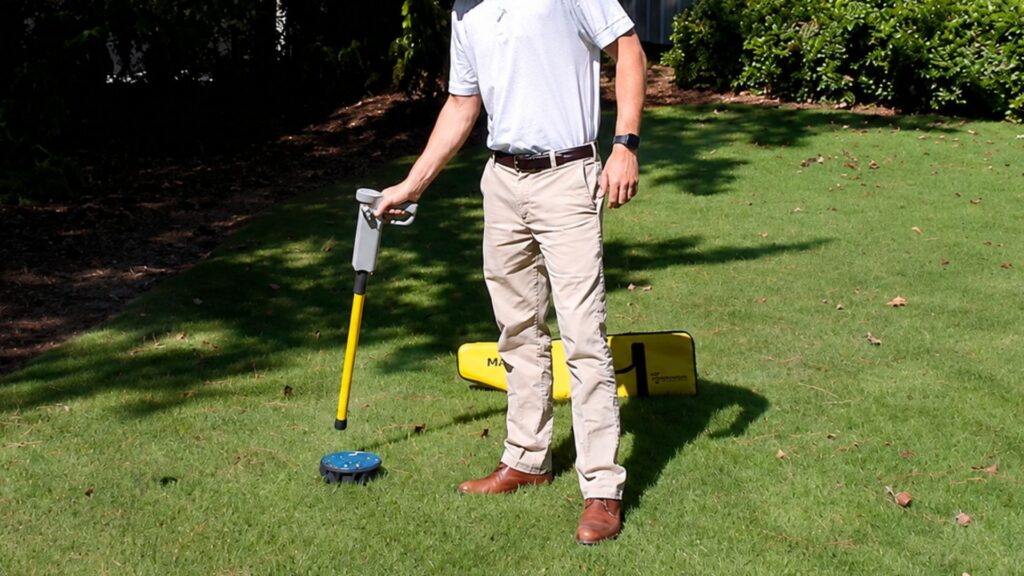
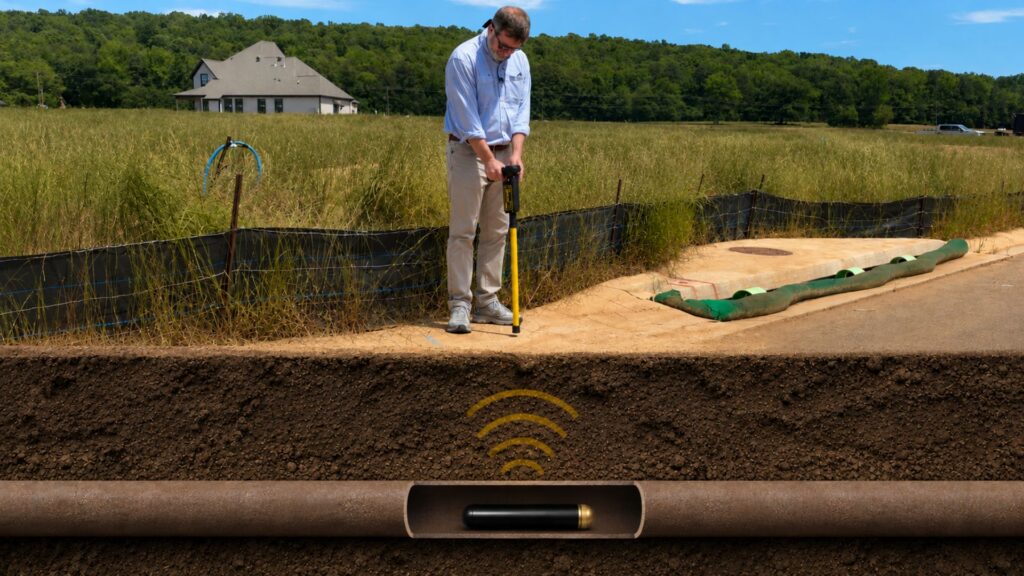
When the target contains a ferrous lid, valve, or other magnetic feature, crews can use the Maghorn Magnetic Locator to narrow the search area and pinpoint its location from above ground.
A probe rod can then help verify the suspected location and surrounding conditions before excavation or access.
Once the feature is found, the appropriate water meter or valve key can be used when the work requires accessing or operating a below-grade valve.
How to Find and Verify a Buried Valve or Valve Box
1. LOCATE
Find the Ferrous Feature
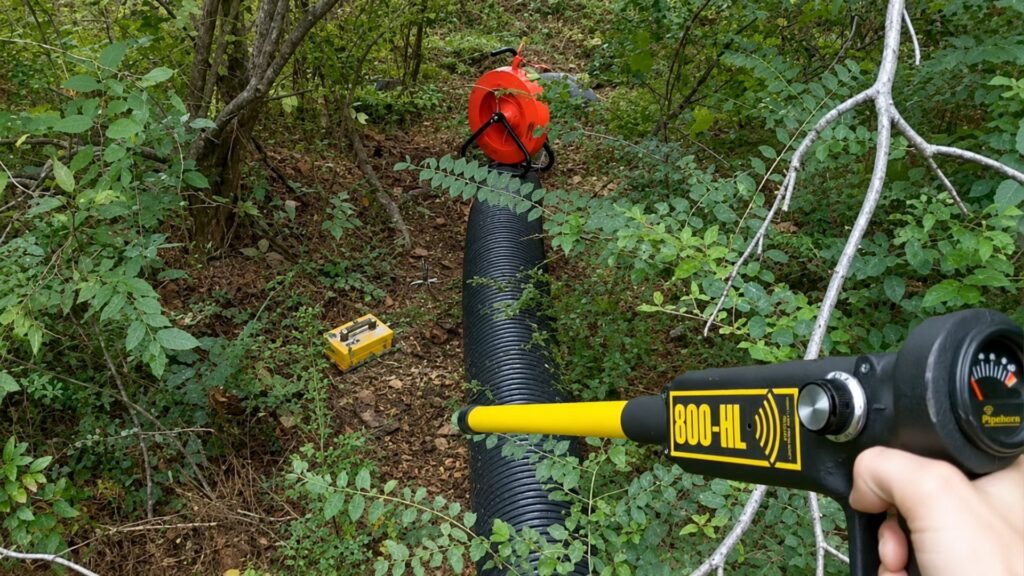
Use the Maghorn magnetic locator to identify the likely position of the buried ferrous valve, valve-box lid, meter-box lid, curb stop, or other magnetic access feature.
2. NARROW
Focus the Search Area
Use the magnetic locator response and available site information to narrow the area most likely to contain the buried access point.
3. PROBE
Physically Investigate
Insert an appropriate probe rod into the soil using controlled pressure to investigate the buried feature and surrounding conditions.
4. ACCESS
Confirm the Feature
After the access point is identified and exposed as needed, use the appropriate access tool for the valve or service work.
See How the Maghorn Magnetic Locator Works in the Field
Watch the Maghorn locate buried ferrous features such as valves, valve boxes, meter boxes, and curb stops.
Where Magnetic Locating Helps
Magnetic locating helps crews find buried ferrous utility features when lids, valves, and other access points are no longer visible from the surface. The Maghorn can help narrow the search area before probing, excavation, or service work begins.
Buried Valve Boxes
Locate ferrous valve-box lids and components that have become covered by soil, turf, pavement buildup, or site changes.
Meter Boxes & Curb Stops
Narrow the location of buried ferrous meter-box lids, curb stops, and other water-system access features.
Utility Maintenance & Service
Find buried access points needed for inspection, maintenance, shutoff, repair, or other service work.
Municipal & Public Works
Help crews locate buried ferrous infrastructure when surface evidence is missing, obscured, or unreliable.
Magnetic Locator for Buried Valve & Access Point Locating
Magnetic Locator
Ferrous Metals
Maghorn
$1,060
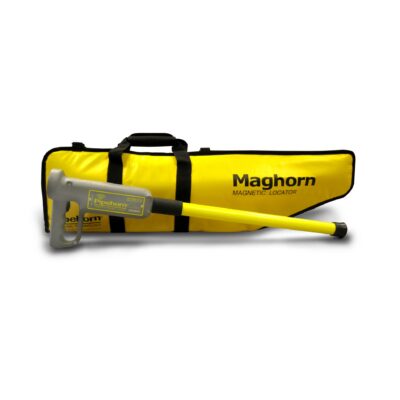
Detects buried ferrous objects such as manholes, valve boxes, and survey markers while ignoring non-ferrous metals such as copper, brass, and aluminum.
The Maghorn Magnetic Locator helps crews find buried ferrous utility features such as valve boxes, meter-box lids, curb stops, and other access points from above ground.
Need to trace buried utility lines too?
Once the access point is found, Pipehorn Pipe & Cable Locators provide additional locating options for tracing conductive utilities and tracer wire.
Magnetic locating can narrow the search for buried ferrous access points before physical investigation. Keep the target, site conditions, and role of each tool in mind before you begin.
Probe After Narrowing the Area
Use available locating information to reduce unnecessary probing and focus on the suspected buried feature.
Use Controlled Pressure
When physically investigating the suspected location, insert the probe using controlled pressure and appropriate field procedures.
Probe-Tip Design Matters
Rounded ball-point probes can reduce the likelihood of puncturing soft pipe compared with pointed designs.
Match the Locating Method to the Target
Use magnetic locating for buried ferrous features. Service lines and tracer wire may require an appropriate Pipehorn 800-Series locating method.
Access Tools Come After the Locate
Water meter and valve keys provide reach and leverage for below-grade valves after the buried access point has been found.
Need to Trace the Utility Line Too?
Once the valve or meter box is found, you may need to trace the conductive line with a pipe & cable locator.
When the valve box or lid contains ferrous material, a magnetic locator can help pinpoint the buried feature from above ground. After the search area is narrowed, controlled probing can help physically investigate and verify the suspected location.
What does a magnetic locator detect?
A magnetic locator responds to ferrous metal and is useful for finding buried metallic utility features such as compatible valve-box lids, meter-box lids, valves, and other ferrous access points.
Can a probe rod help verify a buried valve or access point?
Yes. After locating has narrowed the search area, an appropriate probe rod can help physically investigate the suspected feature and surrounding conditions. Use controlled pressure and approved field procedures.
Can a water meter key locate a buried meter box?
No. A water meter key is an access tool used after the buried meter box or related infrastructure has been located. For a ferrous buried lid or access feature, the Maghorn magnetic locator may be the appropriate locating tool.
Can the Maghorn locate a buried service line or tracer wire?
The Maghorn is designed to locate ferrous buried objects and access features. When the target is a conductive service line or tracer wire, use the appropriate Pipehorn 800-Series locating method.
Is probing a replacement for magnetic or electromagnetic (EM) locating?
No. Probing is a complementary physical investigation method. Use magnetic or electromagnetic (EM) locating to narrow the search first, then probe as appropriate to help verify the suspected buried feature and surrounding conditions.
Related Pipehorn Applications
Explore other Pipehorn locating methods for different underground utilities, access points, and field conditions.
SONDE LOCATING
Pinpoint a sonde inside sewer lines, non-conductive pipe, and conduit.
TRACEABLE RODDER LOCATING
Trace an energized conductive rod through non-conductive pipe, conduit, and other accessible underground pathways.
WATER LINE DIRECT CONNECTION
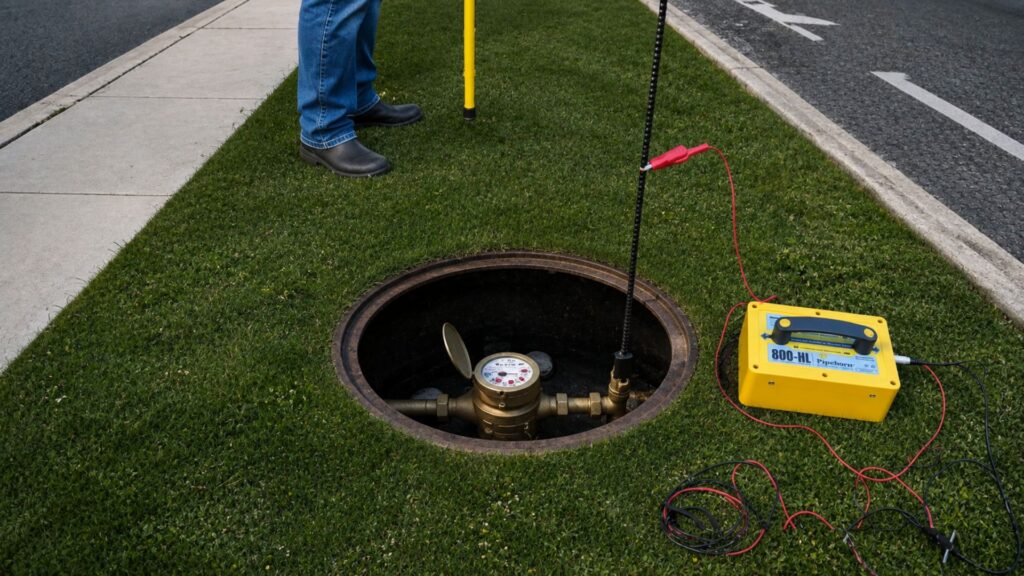
Locate a metallic water line using direct connection through an accessible buried valve.
Not every underground utility provides an easy connection point or traceable path. Pipehorn gives crews multiple locating methods and frequencies to adapt to different field conditions.