How to Locate Tracer Wire

Tracer wire provides a conductive path for locating non-metallic underground utilities. When breaks, corrosion, or poor continuity make the wire difficult to follow, Pipehorn’s 480 kHz ultra-high frequency can help keep the locate going where lower frequencies stop.

Why Frequency Matters When Locating Tracer Wire

Tracer wire is installed alongside non-metallic pipe to create a conductive path that can be energized and traced from above ground. When the tracer wire is intact and properly connected, a lower locating frequency provides a controlled signal that can be followed along the utility route.

The challenge comes when that conductive path is interrupted. Broken wire, corrosion, deteriorated connections, or tracer wire that is not electrically connected between sections can create gaps in continuity. Lower frequencies may stop at those gaps, making it difficult to continue tracing the utility.

Pipehorn’s 480 kHz ultra-high frequency provides another option. The higher frequency can couple across breaks and gaps in continuity, allowing crews to continue tracing beyond the point where a lower-frequency signal may stop.

Broken Tracer Wire - Water Utilities

How to Locate Tracer Wire with Pipehorn

1. CONNECT

Connect Tracer Wire

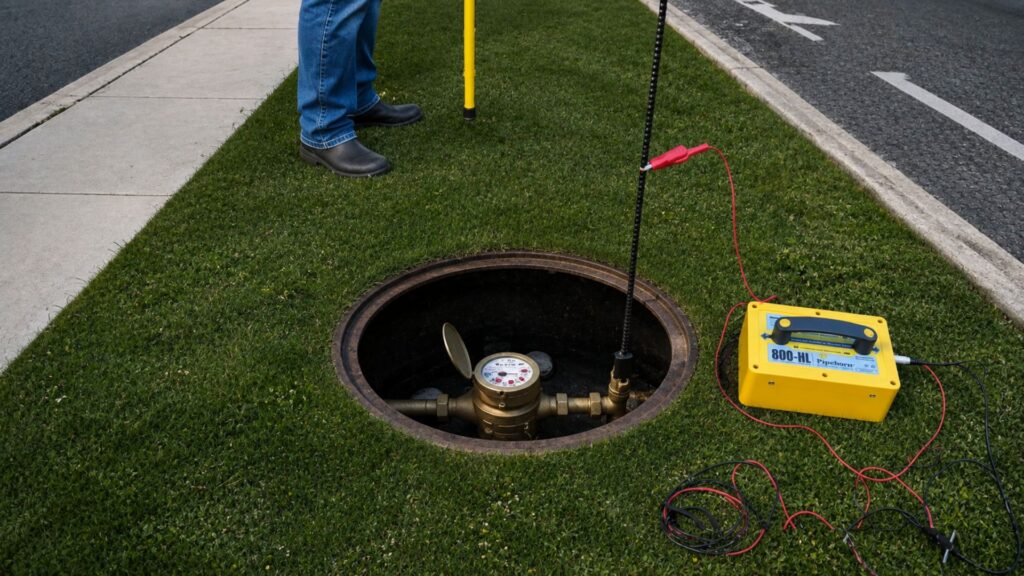
Connect the transmitter to an accessible tracer wire connection point and establish proper grounding.

2. START LOW

Start at 9 kHz

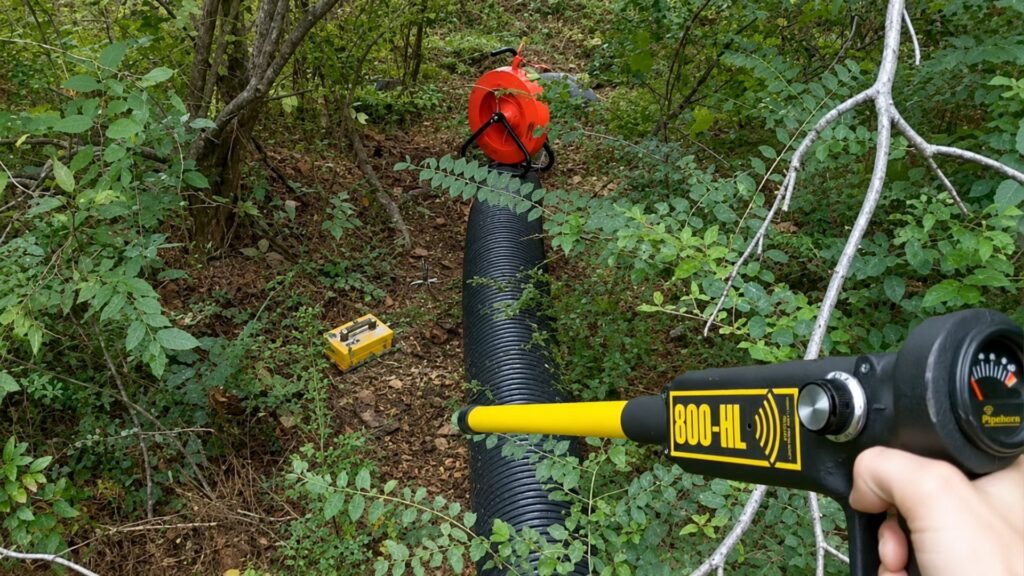
With the Pipehorn 800-HL, start at 9 kHz for better signal control when the tracer wire has good continuity.

3. FOLLOW

Trace the Line

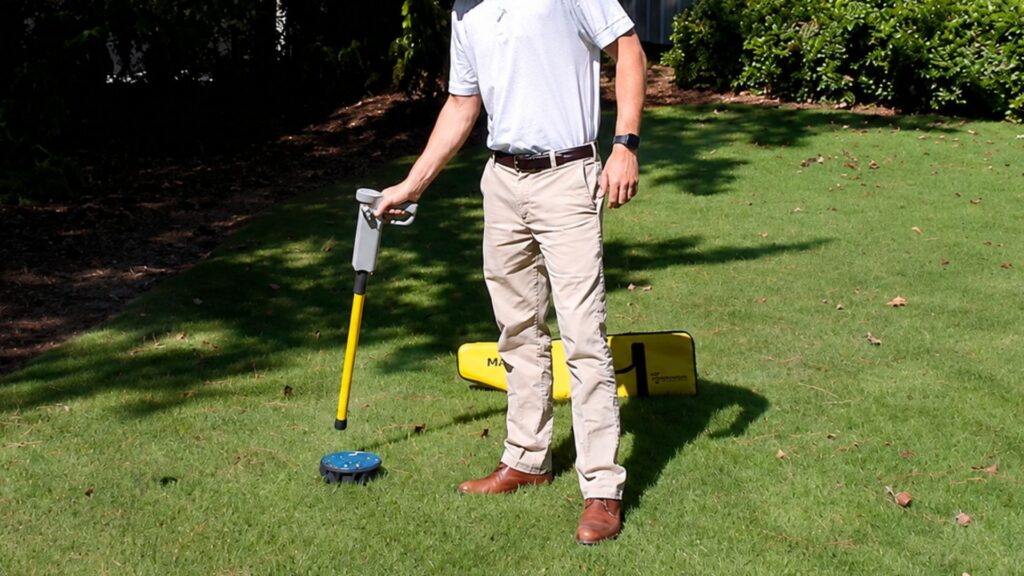
Follow and pinpoint the energized tracer wire, verifying the signal as you trace the utility route.

4. SWITCH HIGH

Switch to 480 kHz

If continuity is compromised, switch to 480 kHz to help couple across the interruption and continue the locate.

See Tracer Wire Locating in the Field

See how changing frequency helps crews keep locating when tracer wire continuity becomes a challenge.

Broken Tracer Wire

See how 480 kHz helps continue the locate beyond a break where low frequency stops.

Service Line to Main

See how high frequency keeps the locate going when tracer wire at the service isn’t connected to the main.

Where Tracer Wire Locating Can Help

Tracer wire provides a locatable path for non-metallic underground utilities that cannot carry a locating signal on their own.

Plastic Water Lines

Trace wire installed alongside PVC, HDPE, and other non-metallic water mains and service lines.

Plastic Gas Lines

Follow tracer wire installed with polyethylene gas mains and service lines to identify the underground route.

Sewer & Force Mains

Trace wire installed alongside non-metallic sewer and force mains before excavation or maintenance.

Communication & Conduit

Follow tracer wire installed with non-metallic conduit and underground communication routes.

Pipehorn Locators for Tracer Wire Locating

High-Frequency Locator

480 kHz

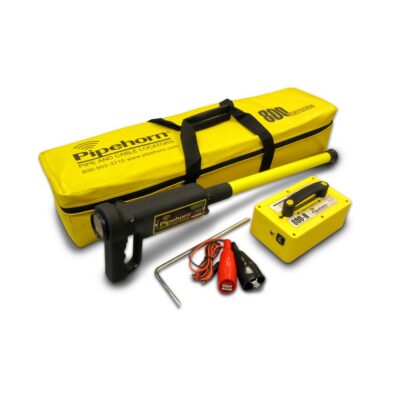
Pipehorn 800-H Pipe & Cable Locator

$1,560

The Pipehorn 800-H uses 480 kHz ultra-high frequency for difficult tracer wire locating, including damaged wire, breaks, and poor continuity.

Dual-Frequency Locator

9 kHz + 480 kHz

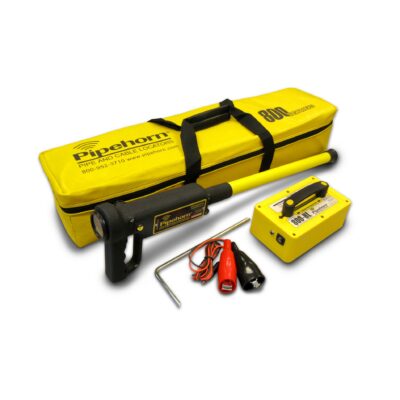
Pipehorn 800-HL Pipe & Cable Locator

$1,860

The Pipehorn 800-HL combines 9 kHz and 480 kHz, allowing crews to start low for signal control and switch high when continuity becomes difficult.

Both Pipehorn 800 Series models can locate tracer wire. Choose the model based on the frequencies and locating methods your crew needs in the field.

Not Sure Which Pipehorn Locator Fits Your Crew?

Compare the Pipehorn 800-H vs. 800-HL to see which frequency options best fit your tracer wire locating needs.

What to Know Before You Start

Tracer wire locating depends on more than frequency alone. Connection quality, grounding, surrounding utilities, and field conditions can all affect how the signal travels.

Check Your Connection

A solid transmitter connection helps put a usable signal onto the tracer wire. Check the connection point before assuming a weak or lost signal is caused by damaged wire.

Establish Good Grounding

Proper grounding helps complete the signal path during direct connection. Position the ground rod away from the tracer wire and other nearby conductors when conditions allow.

Know What You’re Tracing

The locator follows the energized tracer wire—not the non-metallic pipe itself. Tracer wire placement and installation can affect how closely the locate represents the utility route.

Verify as You Go

Don’t rely on signal strength alone. Follow the signal response, check the route from multiple positions when needed, and watch for unexpected changes as you locate.

Continuity Problems Aren’t Always Visible

Breaks, corrosion, damaged connections, and installation issues may be underground and impossible to see from the surface. A change in signal behavior can help indicate where conditions have changed.

Dealing With More Than Broken Tracer Wire?

Short services, worn tracer tape, interrupted metallic joints, corrosion, and other poor-conductivity conditions can create similar difficult locates.

FAQ

What is tracer wire used for?

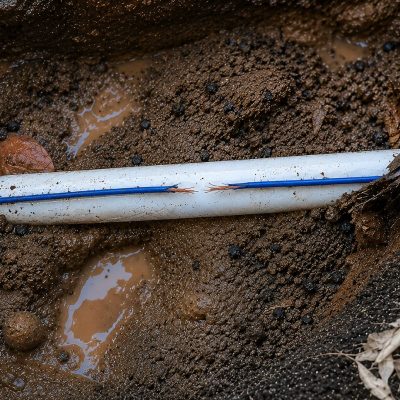
Tracer wire is a conductive wire installed alongside non-metallic underground utilities such as plastic water, gas, sewer, and communication lines. A utility locator can apply a signal to the tracer wire and follow it from above ground to establish the route of the buried utility.

How do you locate underground tracer wire?

When an accessible tracer wire connection point is available, connect the locator transmitter to the wire and establish the appropriate ground. The receiver is then used to follow and pinpoint the energized tracer wire along the utility route.

Can you locate broken tracer wire?

Broken tracer wire can often still be traced with the appropriate locating frequency and field technique. Pipehorn’s 480 kHz frequency is designed for difficult locating conditions such as broken, damaged, or corroded tracer wire where lower frequencies may stop.

What frequency should I use to locate tracer wire?

The appropriate frequency depends on the field conditions. With the Pipehorn 800-HL, 9 kHz provides greater signal control for routine locating and isolating a conductor. When continuity is poor or the tracer wire is broken, damaged, corroded, or difficult to energize, 480 kHz can provide better coupling and help continue the locate.

Can 480 kHz jump a break in tracer wire?

Yes, depending on field conditions. Pipehorn’s 480 kHz ultra-high frequency can couple across breaks in continuity and help energize tracer wire beyond the break. The ability to continue the locate depends on factors such as the size of the interruption, installation, surrounding conductors, grounding, and site conditions.

Which Pipehorn locator is best for tracer wire?

Both Pipehorn 800 Series locators provide 480 kHz high-frequency locating. The Pipehorn 800-H is a 480 kHz locator, while the Pipehorn 800-HL adds 9 kHz low frequency, giving crews the ability to use low frequency for routine tracer wire locating and switch to 480 kHz when field conditions become difficult.

Related Pipehorn Applications

Explore other Pipehorn locating methods for different underground utilities, access points, and field conditions.

CONDUCTIVE WATER LINE

Apply a transmitter signal through an accessible valve connection to trace a conductive water line.

TRACEABLE RODDER LOCATING

Trace an energized conductive rod through non-conductive pipe, conduit, and other accessible underground pathways.

FINDING BURIED VALVES & VALVE BOXES

Use a magnetic locator and complementary field methods to find and verify buried ferrous access points.

Looking for more locating applications?

Need Help Solving a Difficult Locate?

Broken, damaged, or poorly connected tracer wire can make a routine locate difficult. Pipehorn gives crews the frequency options to adapt when tracer wire continuity becomes a challenge.