Difficult Utility Locates: Finding What Others Can’t
Not every locate is straightforward.
Sometimes the signal disappears halfway down the target.
Sometimes the pipe won’t carry signal.
Sometimes the tracer wire or tape you’re counting on is broken or corroded.
These are the kinds of locates that stop other locating equipment.
They’re also exactly situations where Pipehorn outperforms other locators.
When continuity is poor, conductors are short, or utilities were installed decades ago with aging materials, higher frequency locating becomes the difference between guessing and actually finding the target.
Below are some of the most common trouble locates crews run into in the field.
Short Services & Stub Outs
New construction can create some of the most frustrating locates.
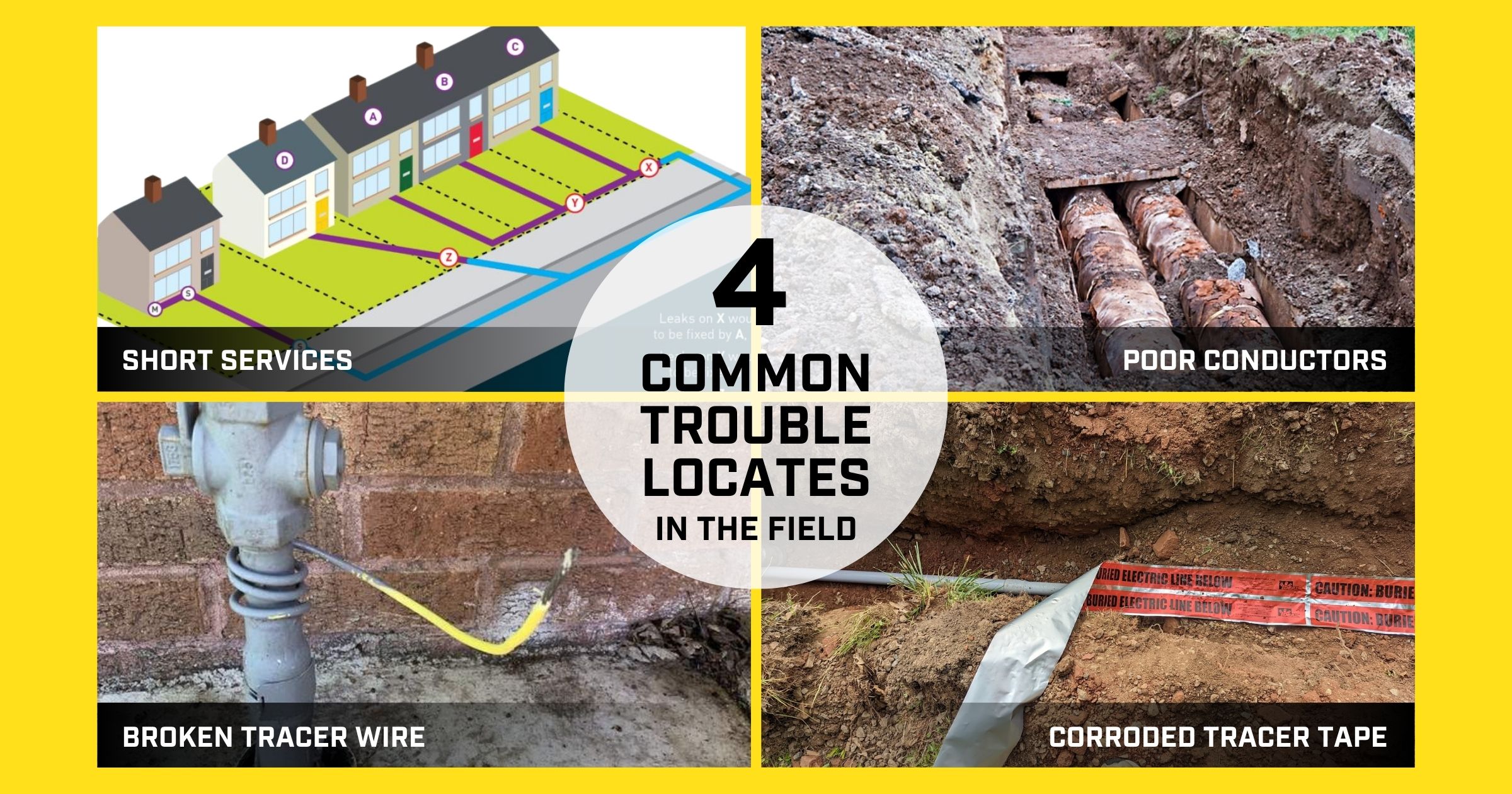
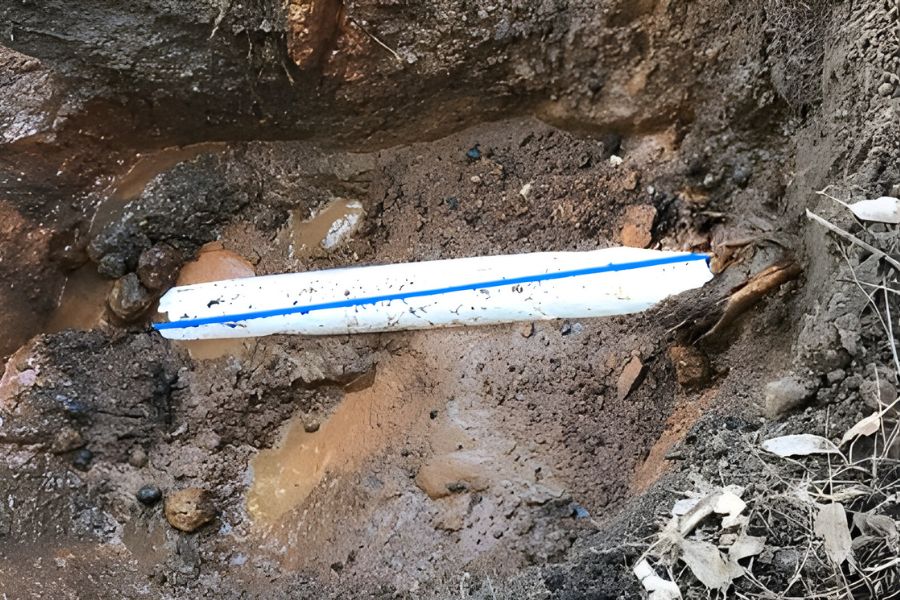
In many new subdivisions, services are stubbed in during early construction and may only run a few feet from the main.
Short services like these don’t always carry signal well with traditional locating frequencies.
Crews commonly run into these scenarios:
- Short services where the signal fades before reaching the house
- End-of-service lines where the signal simply stops
- Stub outs left for future connections
- Split services where one line feeds two houses and splits underground
In split services, for example, you might have two 15-foot lines branching off a 30-foot gap between homes. Without enough frequency to energize those short conductors, you may never know those lines are there.
Pipehorn’s ultra-high frequency can push signal down short conductors where lower frequencies struggle, helping crews locate services that might otherwise be missed.
Poor Conductors: Cast & Ductile Pipe
Older utilities bring a different locating challenge.
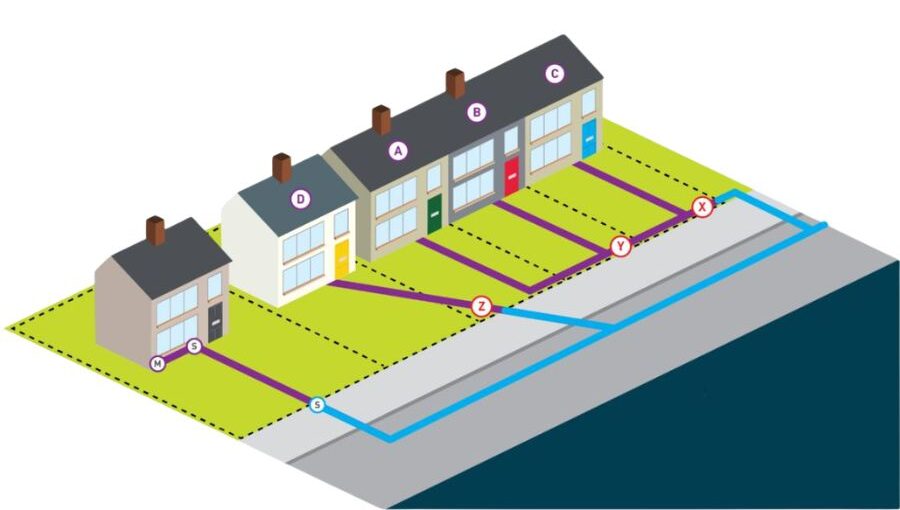
Many water systems installed before the 1960s used cast iron pipe. Later systems used ductile iron, which is still common in many cities today.
These pipes are built in sections connected by bell joints. Each joint can create a break in electrical continuity. When that happens, lower locating frequencies often weaken or stop at those joints, making the signal difficult to follow.
Higher frequency signals are much better at pushing through these joints. That allows locators to continue tracing the pipe even when the signal would normally fade or stop.
This makes older water systems difficult to trace without the right frequency and locating equipment.
Additionally, cast iron is not a great conductor. When the cast iron pipes become rusted over time, it worsens its continuity to run electrical signals through.
Broken or Corroded Tracer Wire
When plastic and PVC pipe started replacing metal water lines in the late 1960s and early 1970s, tracer wire was added so utilities could still be located.
But tracer wire introduces its own problems.
Common issues include:
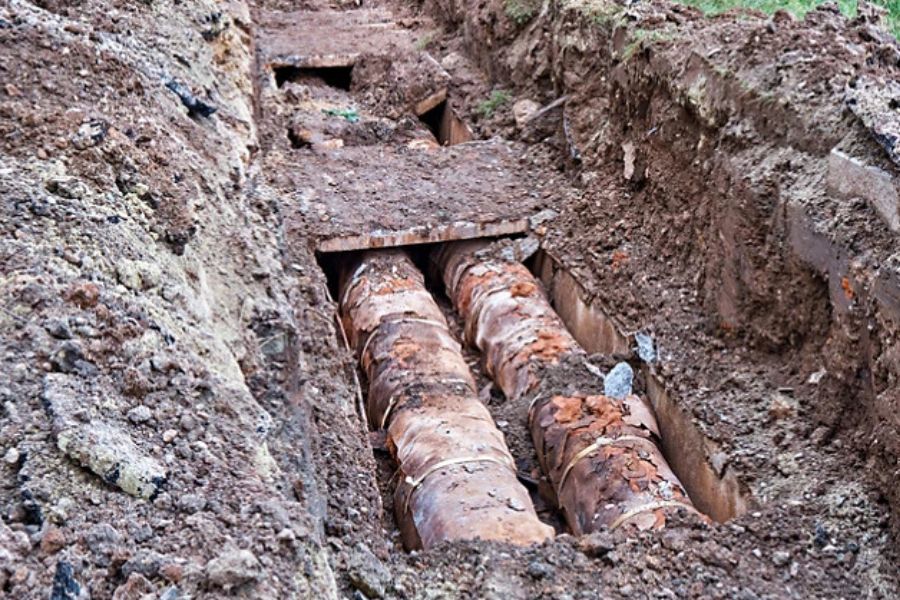
- Broken tracer wire
- Thin or deteriorated wire
- Improper installation
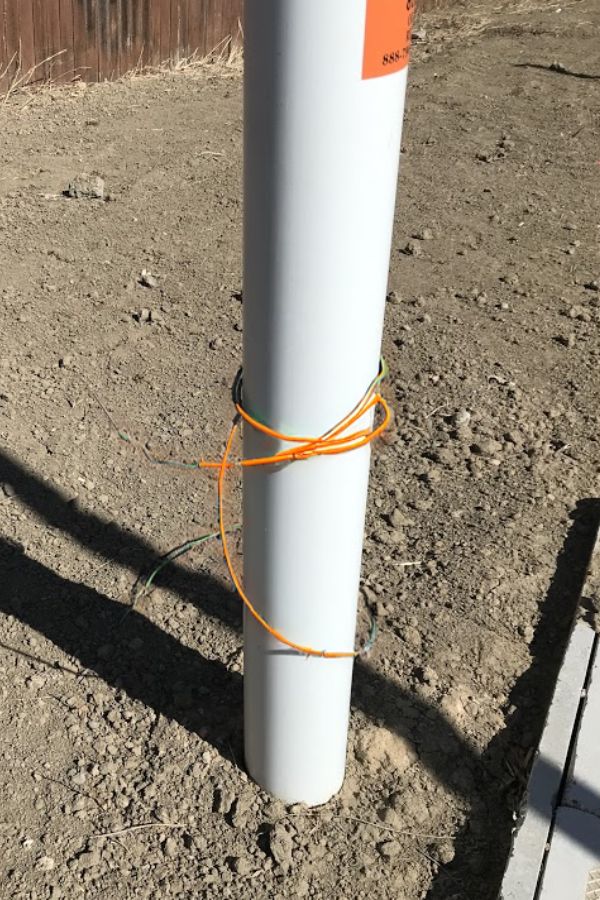
- Wire never brought above ground
- Ends of wires are not connected
- Corrosion over time
Any of these problems can create breaks in continuity, which can make tracer wire act like a series of short conductors.
Low frequencies often stop at those breaks. Higher frequencies can push through those breaks and continue the locate.
In some cases, crews can even induce signal onto tracer wire that isn’t accessible above ground, allowing the line to be located when direct connection isn’t possible.

Broken & Worn-Out Tracer Tape
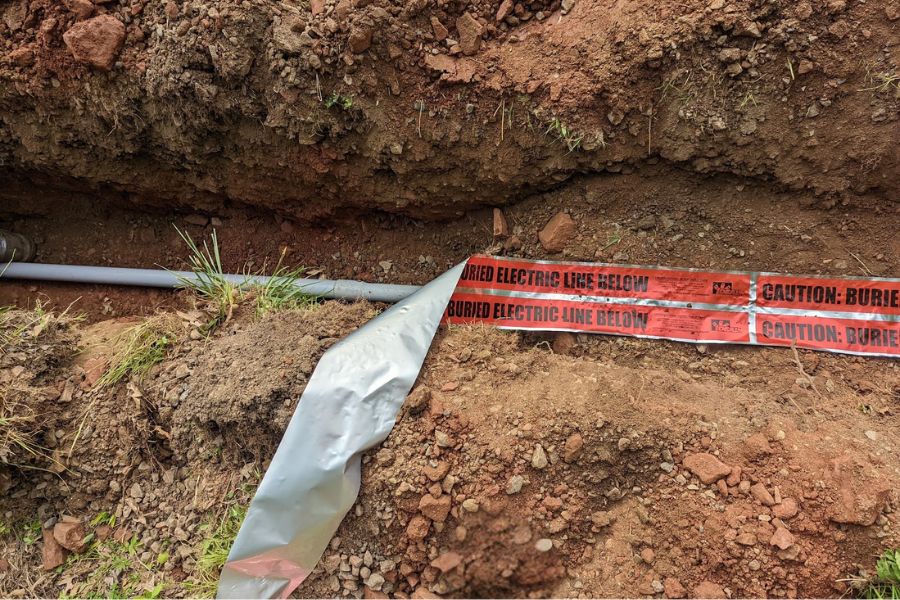
Many utilities installed metallic tracer tape above buried lines to not only trace the line, but to act as an identifier.
Over time, that tape can become:
- Corroded
- Pitted
- Broken
- Poorly conductive
When this happens, lower frequencies may not detect the tape at all.
Higher frequencies can often still induce a signal onto the remaining metal, allowing crews to locate the line when other equipment can’t get a tone.
Why High Frequency Makes the Difference
Trouble locates often share one thing in common: Poor electrical conductivity.
This can happen when:
- The conductor is very short
- The conductor is damaged
- The material carries signal poorly
- Joints interrupt continuity
- Corrosion weakens the signal path
- The circuit is not grounded
Pipehorn’s ultra-high frequency is specifically designed to overcome these conditions.
Higher frequency provides:
- The ability to push through breaks in continuity
- Better performance on short conductors
- More signal on poor or corroded conductors
That’s why many crews rely on Pipehorn when a locate becomes difficult.
Two Locators in One
Pipehorn locators aren’t only built for difficult locates. They also function as everyday locators for maintenance and service crews.
Crews can use standard locating frequencies for routine work, then switch to ultra-high frequency when they encounter problems like:
- Short services
- Broken tracer wire
- Cast or ductile pipe joints
- Worn tracer tape
That flexibility makes Pipehorn a practical tool for:
- Maintenance trucks
- Distribution crews
- Service contractors
- Damage prevention crews
- Dig and bore crews
Because the job isn’t just to locate utilities. It’s to find what others can’t.